
Pasteurized Akkermansia Resolves Gut Inflammation: A new way to help treat leaky gut

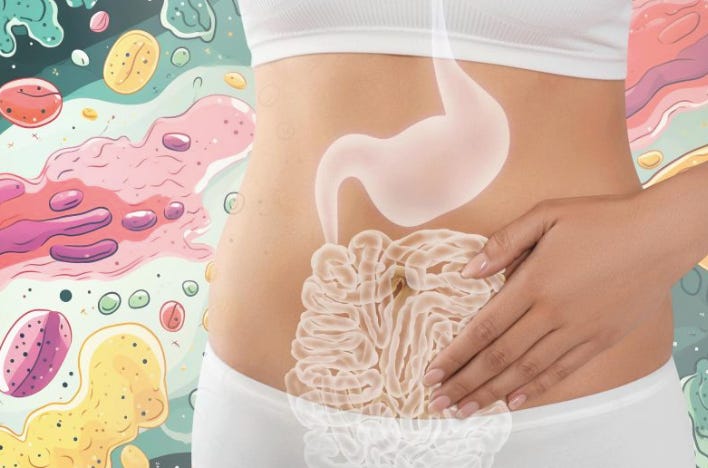
For over 120 years, we have thought that live bacteria are necessary to change the gut landscape. Over the last two years, that paradigm has been turned upside down. Recent trials with Akkermansia muciniphilia, one of the 2-3 most important species of bacteria for immune regulation and gut wall integrity, has shown that it’s not the live bacteria that matter. It is the various proteins on their outer membrane.
Akkermansia muciniphilia isn’t found in any fermented food. It’s more something that we are born with or acquire at a younger age and need to foster. No other gut bacteria does as much to maintain the integrity of the gut wall. This microbe is always remodeling the (hopefully) thick, protective mucus layer of our intestinal lining. When Akkermansia levels go into decline, so does this ultra-important layer of protection.
Live Akkermansia cultures/probiotics have a very difficult time surviving the acidic conditions of the stomach. Unlike the various Lactobacillus species that might be found in your yogurt, this species is very sensitive to even short amounts of time at the pH levels found in our stomachs. Efforts to use probiotic versions have less than ideal efficacy. The few that do manage to make it into the intestinal tract rarely have a significant impact on the gut ecosystem. When researchers used modest amounts of heat-treated Akkermansia however, the results were dramatically different.
Two human trials have now demonstrated major benefits to using pasteurized Akkermansia muciniphilia capsules. A 2024 trial with 100 Korean adults over the age of 60 showed that over the course of just 12 weeks, those taking the heat treated Akkermansia experienced significant gains in muscle mass and strength compared to controls. In 2025, 58 patients with type 2 diabetes taking pasteurized Akkermansia over 12 weeks demonstrated marked improvements in multiple areas of metabolic syndrome: reduced insulin, better glycemic control, reduced waist circumference, and loss of fat mass. All over just a span of 12 weeks. This is just the start to the use of therapeutic postbiotics. For individuals with gut inflammation and a growing list of food allergies (which usually indicates increasing intestinal permeability) this appears to be a game changer.
